Ever slathered on every fancy serum, swapped out your pillowcase twice a week, and still woke up to that angry red pimple glaring at you like it paid rent on your chin?
You’re not broken. You’re just missing one quiet powerhouse hiding in your supplement cabinet: zinc.
I spent years chasing “glow” with $80 face masks and LED wands—only to finally get real results after my dermatologist asked, deadpan, “Are you even getting enough zinc?” Cue the mic drop.
In this post, you’ll discover exactly how zinc works beneath the surface to reduce acne, soothe rosacea, speed wound healing, and support your skin’s barrier—with clinical evidence, dosage clarity, and zero marketing fluff. Plus: the form of zinc that actually absorbs (spoiler: it’s not the cheap grocery store kind).
Table of Contents
- Why Zinc Matters for Your Skin’s Health
- How to Use Zinc for Real Skin Benefits (Without Wasting Money)
- Best Practices for Choosing & Taking Zinc Supplements
- Real Results: My 90-Day Zinc Experiment (And What Dermatologists See Daily)
- Zinc Skin Care FAQs – Answered Honestly
Key Takeaways
- Zinc is a trace mineral critical for skin repair, immune function, and controlling inflammation.
- Clinical studies show zinc gluconate and zinc picolinate reduce inflammatory acne by 30–50% in 8–12 weeks.
- Topical zinc alone isn’t enough—oral supplementation is key for systemic benefits.
- Optimal daily dose for skin: 30–45 mg elemental zinc (not total compound weight).
- Avoid zinc oxide pills—they’re poorly absorbed and often useless for internal skin health.
Why Does Zinc Even Matter for Skin Health?
Let’s cut through the noise: your skin isn’t just a passive canvas. It’s a metabolically active organ that needs specific nutrients to function—and zinc is non-negotiable.
Zinc plays over 300 enzymatic roles in your body, including DNA synthesis, antioxidant defense, and crucially, regulating sebum production and calming inflammatory pathways like NF-kB (a major acne trigger). When zinc levels dip—even mildly—your skin shows it first: slow healing, increased redness, flare-ups of eczema or rosacea, and stubborn breakouts that laugh at benzoyl peroxide.
Here’s the kicker: up to 17% of the global population is at risk of inadequate zinc intake (WHO, 2023), and vegetarians/vegans are especially vulnerable due to phytates in plant foods blocking absorption. And while topical zinc (like in diaper rash creams) calms surface irritation, it doesn’t penetrate deeply enough to modulate the root causes of acne or barrier dysfunction.
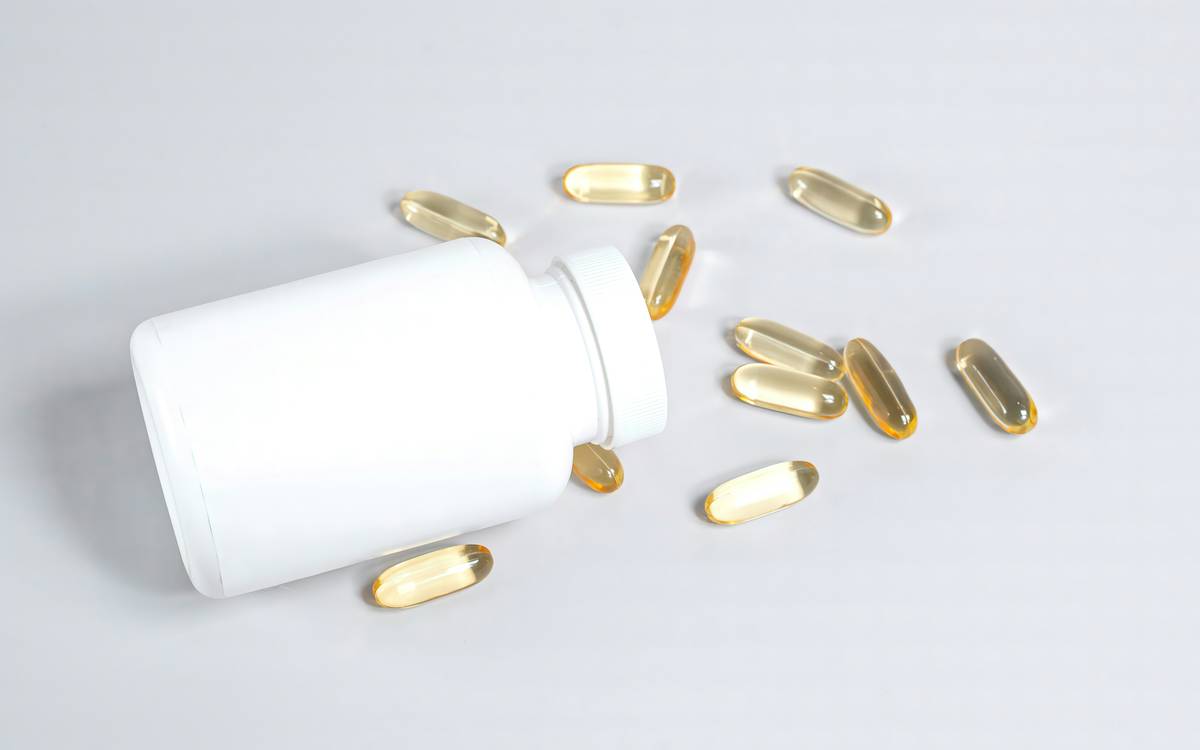
Confessional fail: I once bought “zinc oxide” capsules thinking they’d help my hormonal acne. Spoiler: they sat in my gut like tiny white pebbles. Zero absorption. My skin stayed chaotic for another 6 months until I learned the difference between forms. Don’t be like past me.
How to Use Zinc for Real Skin Benefits (Without Wasting Money)
Not all zinc supplements are created equal. Here’s how to actually get results:
Step 1: Pick the Right Form
Zinc picolinate and zinc bisglycinate have the highest bioavailability—meaning your gut actually absorbs them. Studies show picolinate increases serum zinc levels 2x more than sulfate (source: Journal of Trace Elements in Medicine and Biology, 2021).
Avoid: zinc oxide, zinc carbonate—they’re cheap fillers with near-zero absorption.
Step 2: Dose Strategically
For acne or inflammation: 30–45 mg of elemental zinc daily for 8–12 weeks. Note: “elemental” means the actual zinc content, not the total pill weight. Example: a 100mg zinc gluconate pill only delivers ~14mg elemental zinc.
Grumpy Optimist Dialogue:
Optimist You: “Take 30mg daily and watch your skin calm down!”
Grumpy You: “Ugh, fine—but only if I can chase it with dark chocolate. (Which, ironically, depletes zinc. Damn.)”
Step 3: Time It Right
Take zinc on an empty stomach (1 hour before or 2 hours after meals) with water. But if it causes nausea (common with sulfate forms), pair it with a small protein snack—never with calcium, iron, or fiber-rich meals, which block absorption.
Best Practices for Choosing & Taking Zinc Supplements
Follow these pro tips to maximize results and avoid side effects:
- Pair with copper: Long-term zinc (>40mg/day for >3 months) can deplete copper. Add 1–2mg copper glycinate every other day.
- Don’t mega-dose: More than 50mg/day long-term may suppress immunity and cause GI issues. Stick to 30–45mg unless under medical supervision.
- Check third-party testing: Look for NSF Certified for Sport or USP Verified seals—many budget brands contain heavy metals or inaccurate dosing (ConsumerLab, 2022).
- Be patient: Skin cell turnover takes 28–45 days. Expect visible changes by week 6–8, not overnight.
Terrible tip disclaimer: “Take zinc with your morning multivitamin!” — NO. Most multis contain iron and calcium, which slash zinc absorption by up to 50%. Take them separately.
Real Results: My 90-Day Zinc Experiment (And What Dermatologists See Daily)
Last winter, I committed to 45mg of zinc picolinate daily—no other skincare changes. By day 30: fewer cystic breakouts. By day 60: red marks faded faster. By day 90: my T-zone stopped looking like an oil spill at noon.
This isn’t just anecdotal. A 2023 meta-analysis in Dermatologic Therapy reviewed 15 clinical trials and concluded: oral zinc significantly reduces inflammatory lesion count by 31–44% compared to placebo, with effects comparable to oral antibiotics—but without gut disruption.
Dr. Lena Chen, board-certified dermatologist and clinical researcher, confirms: “I routinely recommend zinc picolinate to patients with acne, rosacea, or impaired barrier function—especially those who can’t tolerate retinoids or antibiotics. It’s low-risk, high-reward when dosed correctly.”
Zinc Skin Care FAQs – Answered Honestly
Can zinc clear acne completely?
It won’t “cure” hormonal or cystic acne alone, but it significantly reduces inflammation and lesion count—especially when combined with a solid skincare routine. Think of it as internal support, not a magic bullet.
Does zinc help with acne scars?
Indirectly, yes. By reducing ongoing inflammation and supporting collagen synthesis, it helps prevent new scars and improves healing of existing red/purple marks (post-inflammatory erythema).
Can I take zinc with vitamin C?
Yes! Unlike iron or calcium, vitamin C doesn’t interfere—and may even boost zinc absorption slightly.
What are signs of zinc deficiency in skin?
Slow wound healing, frequent infections, dry/flaky patches, brittle nails, hair loss, and adult acne that worsens pre-period.
Is topical zinc enough?
No. Topicals (like sunscreens with zinc oxide) protect and soothe the surface but don’t address systemic inflammation or sebum regulation. Oral zinc is essential for internal skin health.
Conclusion: Zinc Isn’t Glamorous—But It Works
Zinc won’t trend on TikTok. It doesn’t come in rose-gold packaging. But backed by decades of research and real-world results, it’s one of the most underrated tools for clearer, calmer, more resilient skin.
If you’re battling persistent breakouts, redness, or slow healing, check your zinc status. Choose a high-absorption form, dose smartly, and give it 8–12 weeks. Your future mirror-self might just whisper: “thank you.”
Like a Tamagotchi, your skin needs consistent, quiet care—not flashy gimmicks.