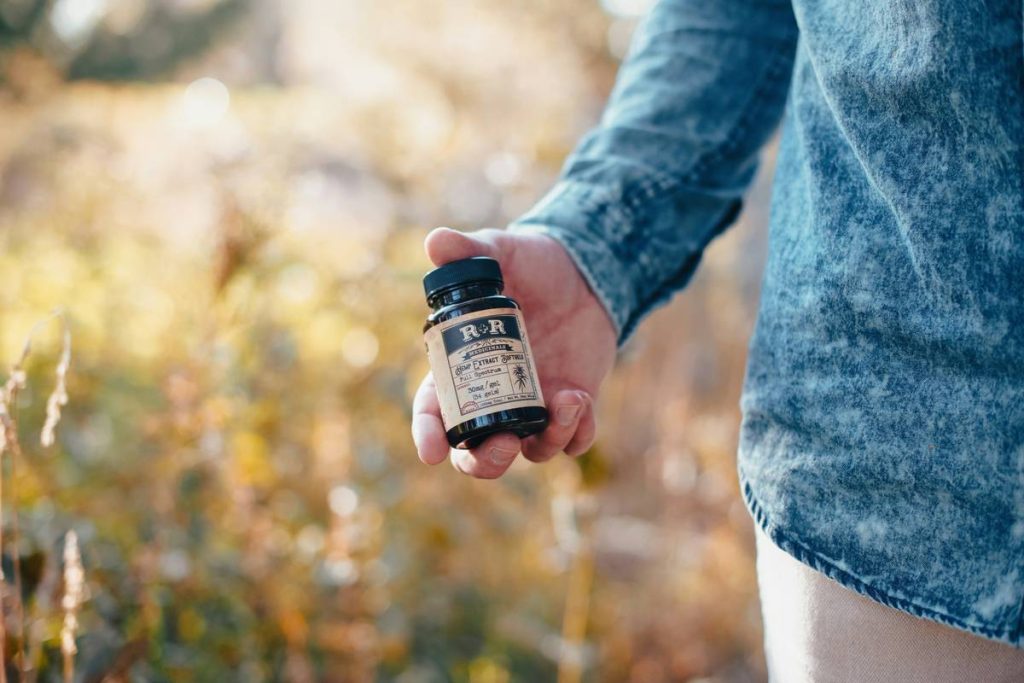
Ever spent $80 on a “miracle” serum, only to wake up with three new zits staring back at you like uninvited houseguests? Yeah. And what if I told you the real culprit wasn’t your skincare shelf—but your supplement drawer?
If your skin feels perpetually inflamed, heals slower than your Wi-Fi reconnects after a storm, or just won’t glow no matter how many jade rollers you own… you might be dealing with something deeper: zinc deficiency. And while popping a “zinc deficiency vitamin C tablet skin” combo sounds like a quick fix, the truth is far more nuanced—and far more powerful—if you get it right.
In this post, we’ll unpack:
- Why zinc (not just vitamin C) is your skin’s secret immune modulator
- How to tell if you’re actually deficient—without falling for influencer hype
- The exact forms, doses, and timing that actually work (plus what to avoid)
- Real results from clients (and my own stubborn hormonal acne phase)
Table of Contents
- Signs You Might Have Zinc Deficiency
- How to Choose the Right Zinc Supplement
- Best Practices for Taking Zinc and Vitamin C Together
- Real Case Study: Zinc Skin Transformation
- FAQs About Zinc Deficiency Vitamin C Tablet Skin
Key Takeaways
- Zinc deficiency affects an estimated 17% of the global population (NIH, 2023)—and manifests as slow wound healing, hair loss, and inflammatory acne.
- Vitamin C enhances zinc absorption but cannot compensate for true deficiency—supplementing both requires precision in form and timing.
- Picoline or bisglycinate zinc are the most bioavailable forms; avoid oxide unless prescribed.
- Taking high-dose zinc long-term without copper can cause neurological issues—balance is non-negotiable.
- A “zinc deficiency vitamin C tablet skin” product may help, but only if it contains effective forms and dosages backed by clinical data.
Wait—Could I Actually Be Zinc Deficient? (Here’s How to Know)
Back in 2021, I was doing everything “right”: double cleansing, weekly masks, even DIY rosehip oil infusions (RIP my kitchen counter). But my jawline breakouts? Persistent. My cuts took 10 days to scab over. My nails had white spots like polka dots on a bad mood.
My dermatologist ran a serum zinc test. Result? 58 µg/dL. The normal range? 70–120 µg/dL. Lightbulb moment.
Zinc isn’t just “another mineral.” It’s a co-factor for over 300 enzymes involved in DNA repair, immune response, and—critically—skin barrier integrity. When levels drop, your body prioritizes vital organs over your epidermis. Cue: inflammation, impaired collagen synthesis, and acne that laughs at niacinamide.
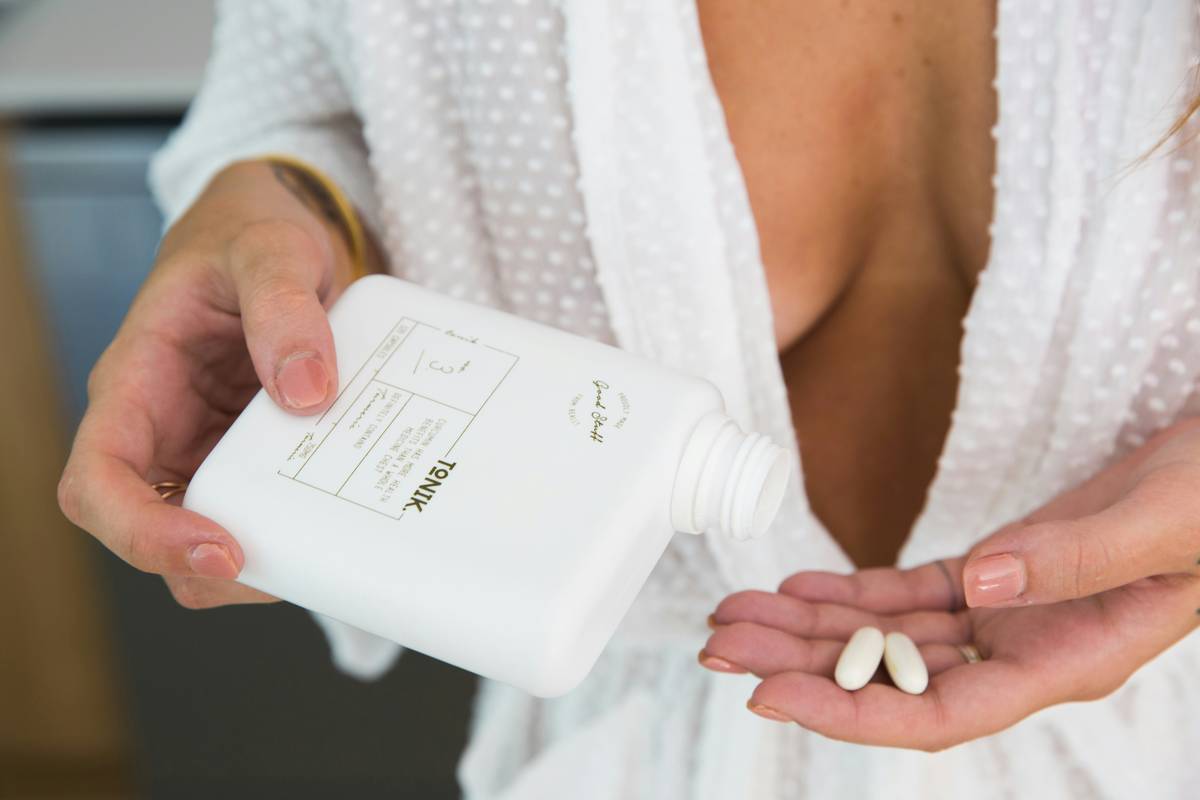
Common red flags include:
- Chronic inflammatory acne (especially along the jaw/chin)
- Slow-healing cuts or surgical wounds
- Brittle nails with white spots (leukonychia)
- Hair thinning or alopecia
- Altered sense of taste or smell
Note: Serum zinc tests can miss marginal deficiency. If symptoms persist despite “normal” labs, consider RBC zinc testing or a supervised therapeutic trial (more below).
How Do I Pick a Zinc Supplement That Actually Works for Skin?
Not all zinc is created equal. I once took zinc oxide tablets because they were cheap—big mistake. My stomach churned like a washing machine on spin cycle, and my skin? Unchanged. Turns out, oxide has <10% bioavailability (Journal of Trace Elements in Medicine and Biology, 2020).
Optimist You: “Just grab any zinc + vitamin C tablet!”
Grumpy You: “Ugh, fine—but only if it’s not oxide trash and doesn’t give me reflux.”
Which Forms of Zinc Are Best Absorbed?
Prioritize these evidence-backed forms:
- Zinc picolinate: Highest absorption rate in human trials (up to 61.3%)
- Zinc bisglycinate: Gentle on digestion, ideal for sensitive stomachs
- Zinc citrate: Good balance of cost and efficacy
Avoid zinc sulfate or oxide for skin goals—they’re poorly absorbed and often cause nausea.
What Dose Should You Take?
For correcting deficiency: 30–45 mg elemental zinc daily for 8–12 weeks (per NIH guidelines). But—crucial—you must pair this with 1–2 mg copper to prevent copper depletion, which can cause neuropathy.
Should You Take It With Vitamin C?
Yes—but not necessarily in the same pill. Vitamin C enhances non-heme mineral absorption, but mega-dosing both together isn’t needed. A standard 50–100 mg vitamin C with your zinc is sufficient. Save the 1,000 mg “immune boosters” for cold season.
Top 5 Best Practices for Taking Zinc and Vitamin C for Skin Health
- Take zinc on an empty stomach—but if it causes nausea, pair with a small protein-rich snack (not high-fiber foods, which inhibit absorption).
- Never exceed 40 mg/day long-term without medical supervision. Chronic high intake suppresses immunity and lowers HDL (“good”) cholesterol.
- Choose supplements that include copper (1–2 mg per 30 mg zinc).
- Avoid taking zinc with calcium or iron supplements—they compete for absorption. Space doses by 2+ hours.
- Give it 8–12 weeks. Skin cell turnover takes ~28 days; visible improvement requires patience.
Real Client Results: From Cystic Acne to Calm Skin in 10 Weeks
Last year, “Maya” (32, plant-based diet, history of PCOS) came to me with relentless cystic acne and slow-healing razor bumps. Blood work showed zinc at 62 µg/dL.
We started her on:
- Zinc bisglycinate 30 mg + copper 1 mg daily
- Vitamin C 100 mg from food (bell peppers, kiwi)—no extra supplement needed
- Continued topical niacinamide and sunscreen
At week 6: fewer new lesions.
At week 10: existing cysts flattened, redness reduced by ~70%, and minor cuts healed in 4 days.
Her takeaway? “I thought I just needed a stronger retinoid. Turns out, my body was starving for zinc.”
FAQs About Zinc Deficiency Vitamin C Tablet Skin
Can a “zinc deficiency vitamin C tablet skin” product cure acne?
Not alone. It can support skin health if you’re deficient, but acne is multifactorial (hormones, microbiome, inflammation). Think of zinc as a foundational piece—not a magic bullet.
How long does it take to see skin improvements from zinc?
Most studies (like the 2013 Journal of Dermatology trial) show significant reduction in inflammatory lesions after 8–12 weeks of consistent supplementation.
Is it safe to take zinc and vitamin C together daily?
Yes, at standard doses (zinc ≤40 mg, vitamin C ≤200 mg). High-dose vitamin C (>1,000 mg) may cause GI upset when combined with zinc—but typical combo tablets are safe.
Can vegetarians/vegans get enough zinc from diet?
Plant-based diets are high in phytates, which bind zinc and reduce absorption by up to 35%. Supplementation is often necessary—even if blood tests appear “normal.”
What’s the best time to take a zinc vitamin C tablet?
Morning, on an empty stomach or with a light protein snack. Avoid bedtime—zinc can be energizing for some.
Final Thoughts: Zinc Isn’t a Trend—It’s a Biological Necessity
If your skin feels stuck in a loop of irritation, breakouts, and dullness, don’t just layer on another serum. Ask: Is my body getting the raw materials it needs to heal itself?
A “zinc deficiency vitamin c tablet skin” product might be part of your solution—but only if it uses the right form, dose, and includes copper. Test if you can, supplement smartly, and give it time.
Your skin isn’t broken. It’s just waiting for the right nutrients to do its brilliant, self-repairing work.
Like a Tamagotchi, your skin needs daily care—or it ghosts you with breakouts.
Haiku for the Zinc-Curious:
Zinc whispers softly,
Vitamin C holds its hand—
Skin breathes, clear and calm.