You’re shedding more than usual. Your strands feel brittle. You’ve tried shampoos, oils, even expensive serums—and nothing sticks. And now you’re wondering: is zinc good for hair? Here’s the hard truth: most people pop zinc pills blindly—without knowing whether they’re helping or harming.
Why Generic Zinc Advice Fails Hair Growth
Zinc isn’t a magic bullet. It’s a trace mineral—your body needs it in precise amounts. Too little? Hair thins. Too much? You trigger copper deficiency, which ironically causes more hair loss.
Clinical studies show that only individuals with documented zinc deficiency see noticeable hair regrowth after supplementation. Yet supplement companies market zinc like it’s universal hair fuel. It’s not.
And most over-the-counter zinc formulas use poorly absorbed forms—like zinc oxide—that pass right through your gut unused. You’re paying for urine, not results.
How to Use Zinc for Hair—The Right Way
Step 1: Confirm Deficiency First
Don’t guess. Get a serum zinc test. Optimal range for hair health? Between 70–120 µg/dL. Below 70? Supplementation may help. Above? Stop immediately.
Step 2: Choose the Best Absorbed Form
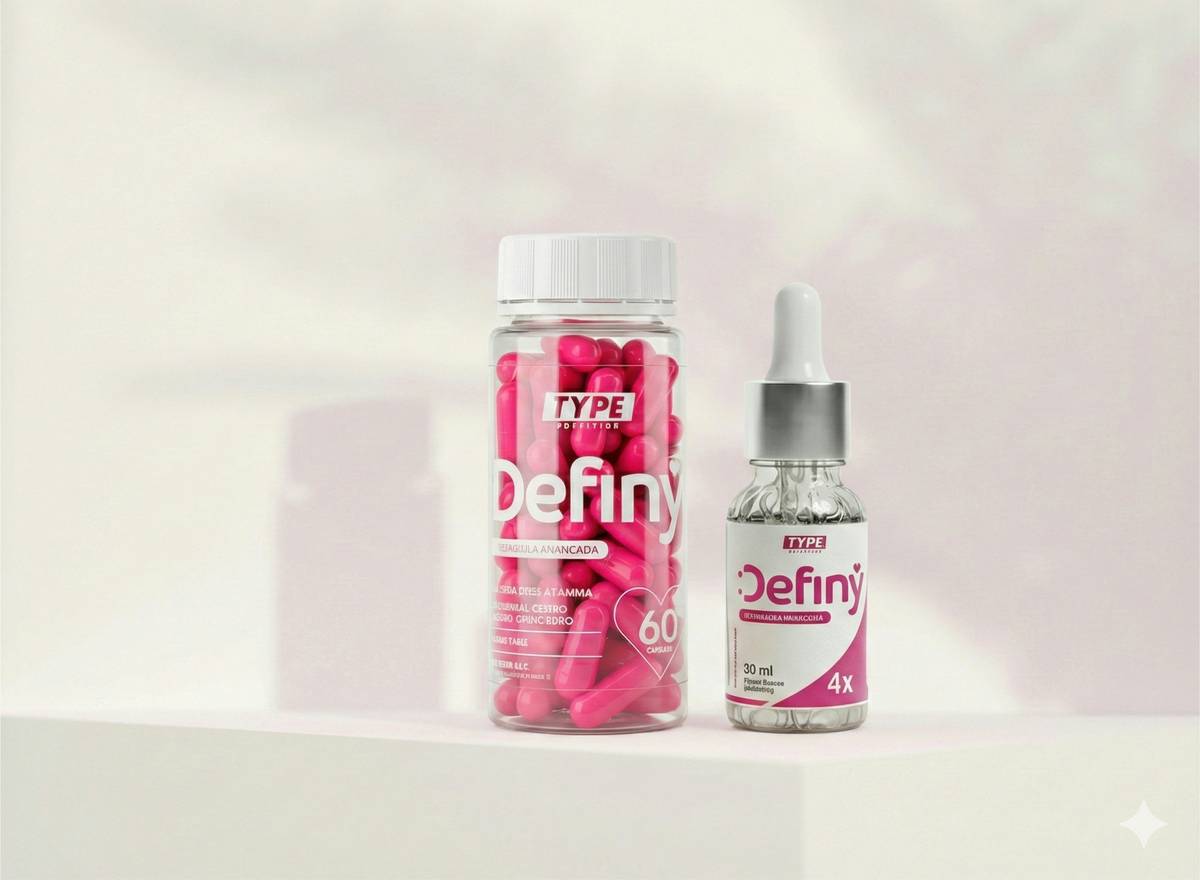
Zinc picolinate and zinc bisglycinate absorb 2–3x better than zinc gluconate or sulfate. That matters—especially if you have gut sensitivities or take antacids.
Step 3: Dose Strategically—and Temporarily
The sweet spot? 15–30 mg elemental zinc daily—only for 8–12 weeks. Longer use without monitoring risks copper depletion. Pair it with 1–2 mg of copper if going beyond 6 weeks.
| Zinc Form | Absorption Rate | Best For | Daily Cost (Est.) |
|---|---|---|---|
| Zinc Picolinate | High (~70%) | Those with low stomach acid | $0.30–$0.50 |
| Zinc Bisglycinate | Very High (~80%) | Sensitive stomachs, long-term use | $0.40–$0.70 |
| Zinc Gluconate | Moderate (~50%) | Budget-conscious users | $0.10–$0.25 |
| Zinc Oxide | Low (<20%) | Avoid for hair goals | $0.05–$0.15 |

The Industry Secret: Zinc Alone Won’t Fix Hair Loss
Here’s what no supplement brand tells you: zinc works best as part of a nutrient triad—alongside iron (ferritin >70 ng/mL) and biotin—but only if deficient in all three. I once worked with a client losing hair in patches. Her zinc was normal—but her ferritin was 12. We stopped zinc entirely and focused on iron. Hair regrew in 4 months.
Zinc is a supporting actor—not the lead. Overemphasizing it while ignoring thyroid function, stress hormones, or scalp inflammation is like tuning one string on a broken guitar and expecting a symphony.
Frequently Asked Questions
Can too much zinc cause hair loss?
Yes. Excess zinc (>40 mg/day long-term) lowers copper levels, which directly contributes to telogen effluvium—a common form of hair shedding.
How long does it take for zinc to help hair growth?
If you’re truly deficient, expect subtle improvements in 6–8 weeks. Full regrowth may take 4–6 months—alongside proper diet and stress management.
Is zinc good for hair if I’m not deficient?
No. Supplementing without deficiency offers zero hair benefits—and increases toxicity risk. Test first. Always.