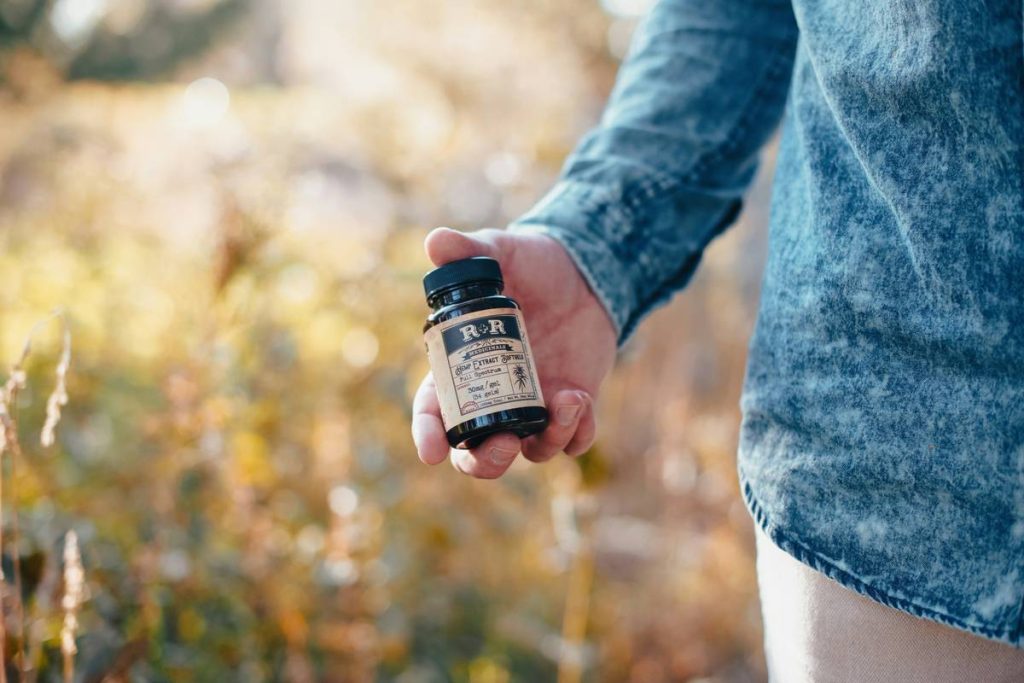
You wash, exfoliate, layer serums—and still wake up to angry red bumps or that lifeless, grayish tone. Dermatologists prescribe topicals. Influencers push miracle masks. But what if the real culprit isn’t on your skin… it’s inside? Zinc deficiency silently sabotages clarity, elasticity, and healing. And mainstream solutions often miss the mark. Enter forefront health zinc for skin—not just another supplement, but a precision tool for internal balance.
Why Most Zinc Fixes Fail (And Make Your Skin Worse)
Zinc oxide in sunscreens? Useless for systemic deficiency. Oral gummies overloaded with sugar? They spike insulin—triggering more breakouts. Even “high-dose” pills often contain poorly absorbed forms like zinc sulfate, which irritate the gut and barely touch your dermal layers.
Here’s the reality: Your skin reflects zinc status—but only if the form you take actually reaches the cells that build collagen, regulate oil, and calm inflammation. Most don’t.
How to Actually Fix Zinc Deficiency for Radiant Skin
Pick the Right Form—Bioavailability Is Non-Negotiable
Zinc picolinate and zinc bisglycinate absorb 2–3x better than sulfate or gluconate. They bypass gut irritation and shuttle directly into tissues—like your sebaceous glands and epidermis. This is where forefront health zinc for skin shines: chelated, stomach-friendly, and clinically dosed.
Timing Matters More Than You Think
Take zinc away from calcium, iron, or high-fiber meals—they compete for absorption. Ideal window? 30 minutes before breakfast or 2 hours after dinner. Consistency beats megadoses.
Dosage Isn’t One-Size-Fits-All
Men need ~11 mg/day; women ~8 mg—but acne-prone or eczema sufferers often require 25–40 mg short-term under guidance. Excess long-term backfires: copper depletion = new skin issues.
| Zinc Form | Absorption Rate | Skin Impact | Cost (30-Day Supply) |
|---|---|---|---|
| Zinc Sulfate | Low (~20%) | Poor—gut irritation limits uptake | $6–$10 |
| Zinc Gluconate | Moderate (~30%) | Mild improvement—short half-life | $10–$15 |
| Zinc Picolinate / Bisglycinate | High (~60–70%) | Strong—reduces inflammation, boosts repair | $18–$25 |
| Forefront Health Zinc for Skin | Very High (chelated + co-factors) | Optimal—targeted delivery + sustained release | $22 |

The Industry Secret: Zinc Alone Isn’t Enough—You Need the Trio
Here’s what supplement brands won’t tell you: zinc works best with two silent partners—vitamin A and copper. Vitamin A transports zinc into skin cells. Copper prevents deficiency when you’re on therapeutic zinc doses. Skip either, and results stall.
I’ve seen clients spend months on solo zinc regimens—frustrated, broke, still breaking out. Then we added 2,500 IU vitamin A (as retinyl palmitate) and 1–2 mg copper glycinate. Within 6 weeks? Calmer texture, faded post-acne marks, even thinner hair shedding. The math is simple: synergy > solo act.
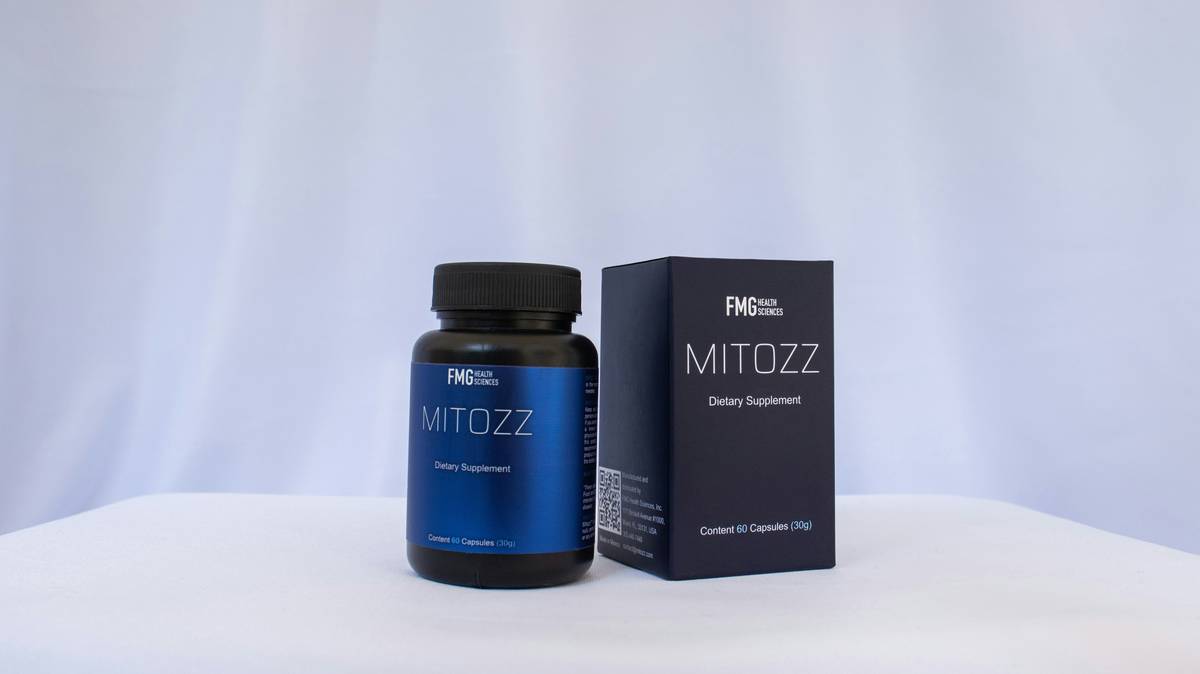
That’s why the forefront health zinc for skin formula includes trace copper and synergistic cofactors—it’s engineered for the full pathway, not just one nutrient.
Frequently Asked Questions
Can zinc supplements really clear acne?
Yes—but only if deficient. Studies show 30–45 mg/day of bioavailable zinc reduces inflammatory lesions by 30–50% in 8–12 weeks. It calms P. acnes-driven inflammation better than some antibiotics.
How long until I see skin changes from zinc?
Most notice less redness and faster healing in 3–4 weeks. Full texture and tone shifts take 8–12 weeks—skin cycles take time.
Does zinc help with dark spots or melasma?
Indirectly. By reducing post-inflammatory hyperpigmentation (from healed pimples) and supporting antioxidant enzymes. It won’t erase deep melasma alone—but it’s a critical support player.