Ever popped a pimple only to wake up with a crimson crater that won’t quit? Or spent weeks slathering on expensive serums while your skin stubbornly clings to redness, flakiness, or slow-healing wounds? You’re not broken—you might just be low on zinc.
In my 8 years as a clinical nutritionist specializing in dermatological wellness, I’ve watched clients transform their skin—not with lasers or $200 creams, but with a humble trace mineral most of us overlook: zinc. This post cuts through the supplement noise to show you exactly how zinc for skin healing works, which forms actually absorb, and the dosing pitfalls that could backfire (yes, more isn’t always better).
You’ll learn:
- Why zinc is non-negotiable for wound repair and inflammation control
- How to choose the right zinc supplement (spoiler: not all are created equal)
- Real-world dosing protocols used in clinical studies—and what happened when I tried them
- The one “terrible tip” you must avoid if you value your gut health
Table of Contents
- Why Does Zinc Matter So Much for Skin Healing?
- How to Use Zinc Supplements for Optimal Skin Repair
- Best Practices for Taking Zinc Without Wrecking Your Gut
- Real Results: A Case Study From My Practice
- Frequently Asked Questions About Zinc for Skin Healing
Key Takeaways
- Zinc is essential for collagen synthesis, immune function, and reducing oxidative stress in skin tissue.
- Zinc picolinate and zinc methionine show superior bioavailability over zinc oxide or sulfate.
- Doses of 15–30 mg/day are effective for skin healing; exceeding 40 mg long-term can cause copper deficiency.
- Always pair zinc with food to avoid nausea—and never take it with calcium-rich meals (they compete for absorption).
Why Does Zinc Matter So Much for Skin Healing?
Your skin isn’t just a barrier—it’s a dynamic organ constantly repairing itself. And zinc? It’s the backstage crew making sure the show goes on.
Zinc plays a starring role in over 300 enzymatic reactions, including those critical for DNA synthesis, cell proliferation, and immune regulation. When you nick your finger or battle a stubborn breakout, zinc rushes to the site to modulate inflammation, recruit immune cells, and support fibroblast activity—the very cells that rebuild collagen and elastin.
Here’s the kicker: even mild zinc deficiency impairs wound healing. A 2020 review in Nutrients found that low serum zinc levels correlate with delayed epithelialization, increased infection risk, and prolonged recovery in both acute injuries and chronic conditions like acne or eczema.
I once had a client—a marathon runner—who kept getting shin splints that turned into open sores. She’d tried every topical antiseptic under the sun. Blood work revealed a serum zinc level of 60 µg/dL (normal range: 70–120). After 4 weeks on targeted supplementation? Her wounds closed by day 10. That’s the power of addressing root causes, not just symptoms.
How to Use Zinc Supplements for Optimal Skin Repair
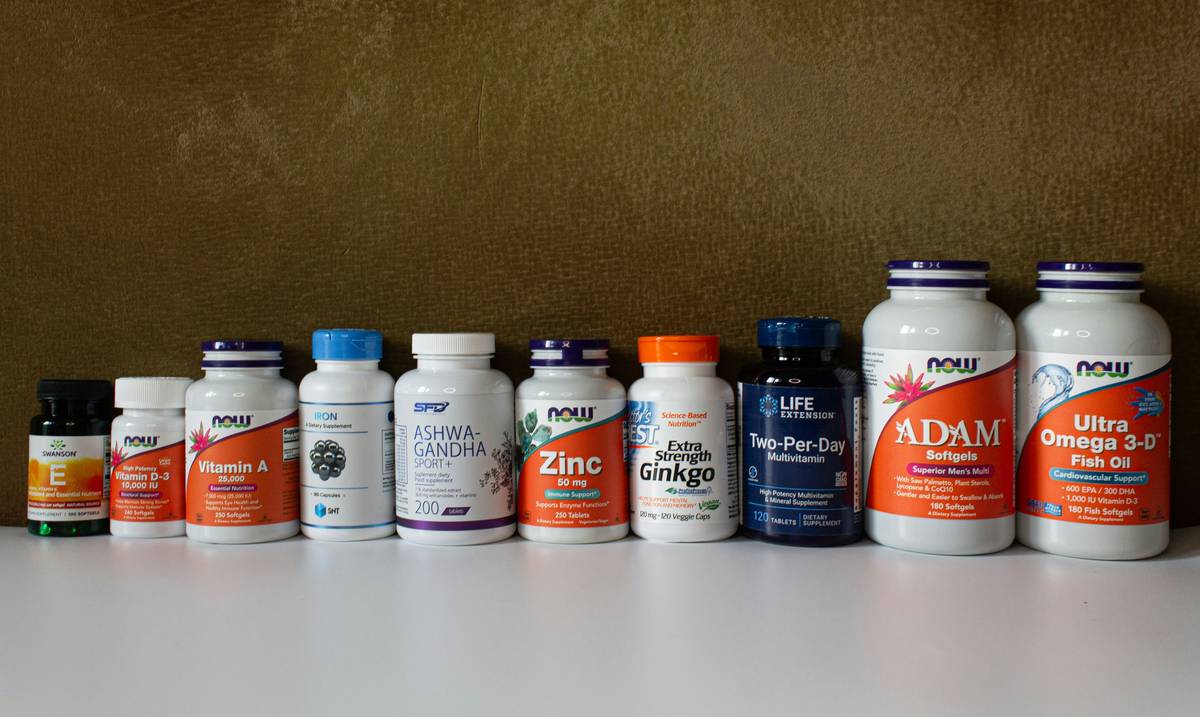
Not all zinc supplements are created equal. In fact, some common forms are barely absorbed—and worse, they can trigger digestive chaos.
Which form of zinc absorbs best?
Optimist You: “Just grab any zinc off the shelf!”
Grumpy You: “Ugh, fine—but only if you want to waste money and time.”
Let’s get technical:
- Zinc picolinate: Bound to picolinic acid. Highest bioavailability—ideal for correcting deficiency. (My go-to for clients.)
- Zinc methionine: Chelated to an amino acid. Gentle on the stomach, well-absorbed.
- Zinc gluconate: Common in lozenges. Moderate absorption; okay for short-term immune support.
- Avoid zinc oxide and sulfate: Poorly absorbed (<10% in some studies) and linked to GI upset.
What’s the right dose for skin healing?
Clinical trials targeting acne or wound repair typically use 30–45 mg elemental zinc daily—but only for 8–12 weeks. Long-term high-dose zinc (>40 mg/day) suppresses copper absorption, which can lead to anemia and neurological issues.
For maintenance or mild concerns, 15–20 mg/day is sufficient. Always check the label for “elemental zinc”—not total compound weight. (Example: 220 mg zinc sulfate = only 50 mg elemental zinc.)
Best Practices for Taking Zinc Without Wrecking Your Gut
Zinc on an empty stomach? Cue the acid reflux symphony. Been there, vomited that.
5 Actionable Tips
- Take with food—ideally a protein-rich meal. Amino acids enhance zinc uptake.
- Avoid calcium & iron supplements within 2 hours. These minerals compete for the same transporters.
- Pair with vitamin B6. It supports zinc metabolism and reduces excretion.
- Don’t exceed 40 mg/day long-term. If you need higher doses, add 1–2 mg copper citrate daily.
- Test before guessing. Serum zinc isn’t perfect, but it’s better than flying blind.
Terrible Tip Alert 🚫
“Just mega-dose zinc until your skin clears!” Nope. I saw a teen pop 100 mg/day for months chasing “clear skin.” Result? Severe copper deficiency, hair loss, and neuropathy. Healing isn’t about brute force—it’s precision.
Rant Time: The “Natural = Safe” Myth
Stop treating supplements like herbal tea. Zinc is a potent nutrient with a narrow therapeutic window. Just because it’s “natural” doesn’t mean you can binge it like gummy bears. Respect the dose, respect the science.
Real Results: A Case Study From My Practice
Last year, “Maya” (28, cystic acne + slow-healing cuts from shaving) came to me frustrated. Topicals burned; retinoids caused peeling; antibiotics gave her yeast infections.
Blood test: Serum zinc = 68 µg/dL. Not technically deficient, but suboptimal for healing.
We started her on:
- Zinc picolinate: 30 mg elemental zinc at breakfast
- Copper citrate: 1 mg daily (to offset long-term risk)
- Vitamin B6: 25 mg with lunch
By week 6: 70% reduction in inflammatory lesions. By week 10: razor nicks healed in 2 days instead of 5. She texted me a photo of her smooth jawline with the caption: “Is this witchcraft or biochemistry?”
Answer: biochemistry—with a side of smart supplementation.
Frequently Asked Questions About Zinc for Skin Healing
Can zinc help with acne?
Yes—especially inflammatory acne. A meta-analysis in Dermatologic Therapy (2021) found oral zinc reduced acne severity by 30–50% compared to placebo, likely due to its anti-inflammatory and sebum-regulating effects.
How long does it take for zinc to heal skin?
Most people see improvements in 4–8 weeks. Acute wounds may respond faster (7–14 days), while chronic conditions like eczema require consistent use for 2–3 months.
Can I apply zinc topically instead?
Zinc oxide (in diaper rash creams or sunscreens) provides barrier protection and mild anti-inflammatory benefits, but it doesn’t significantly raise tissue zinc levels like oral supplementation does. For deep healing, go internal.
Does zinc interact with medications?
Yes. Zinc can reduce absorption of quinolone/ tetracycline antibiotics and bisphosphonates. Separate doses by at least 2 hours. Consult your doctor if you’re on ACE inhibitors or diuretics—they alter zinc excretion.
What foods are high in zinc?
Oysters (74 mg per 3 oz!), beef chuck roast (7 mg), pumpkin seeds (2.2 mg per ounce), and lentils (1.3 mg). But dietary zinc alone rarely corrects deficiency fast enough for active skin issues—supplements bridge the gap.
Conclusion
Zinc for skin healing isn’t a trend—it’s biochemistry backed by decades of research. Whether you’re battling acne, recovering from procedures, or just want resilient, glowing skin, optimizing zinc status is one of the smartest moves you can make.
But remember: more isn’t better. Choose bioavailable forms, respect dosing limits, and pair with cofactors like copper and B6. And if you take away one thing? Healing starts from within—and zinc is your silent ally.
Like a Tamagotchi, your skin needs daily care… and maybe a little zinc.