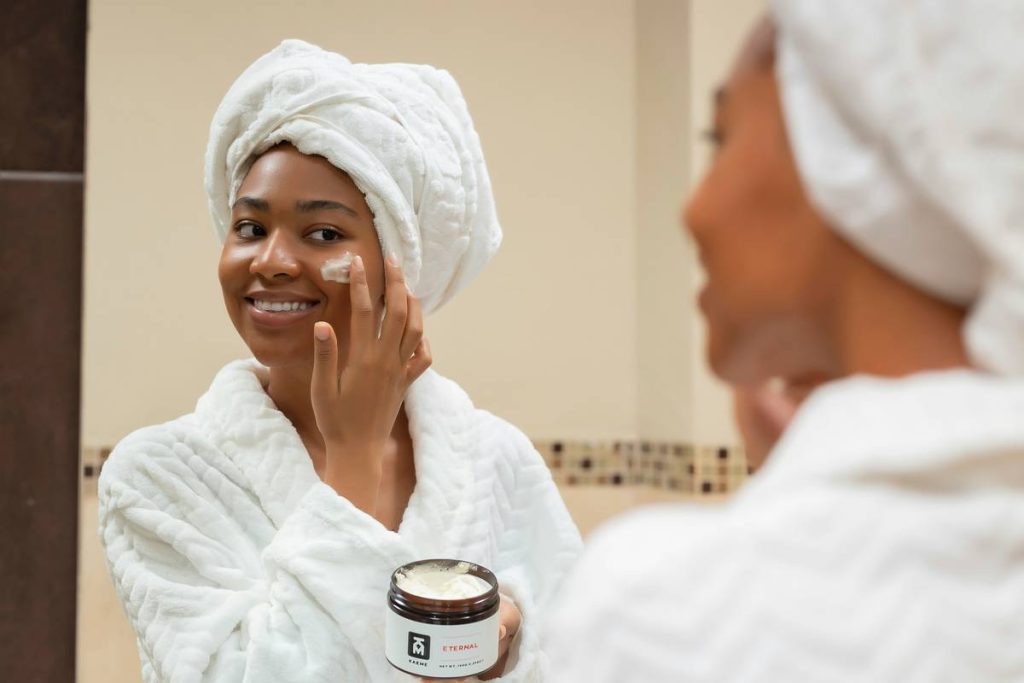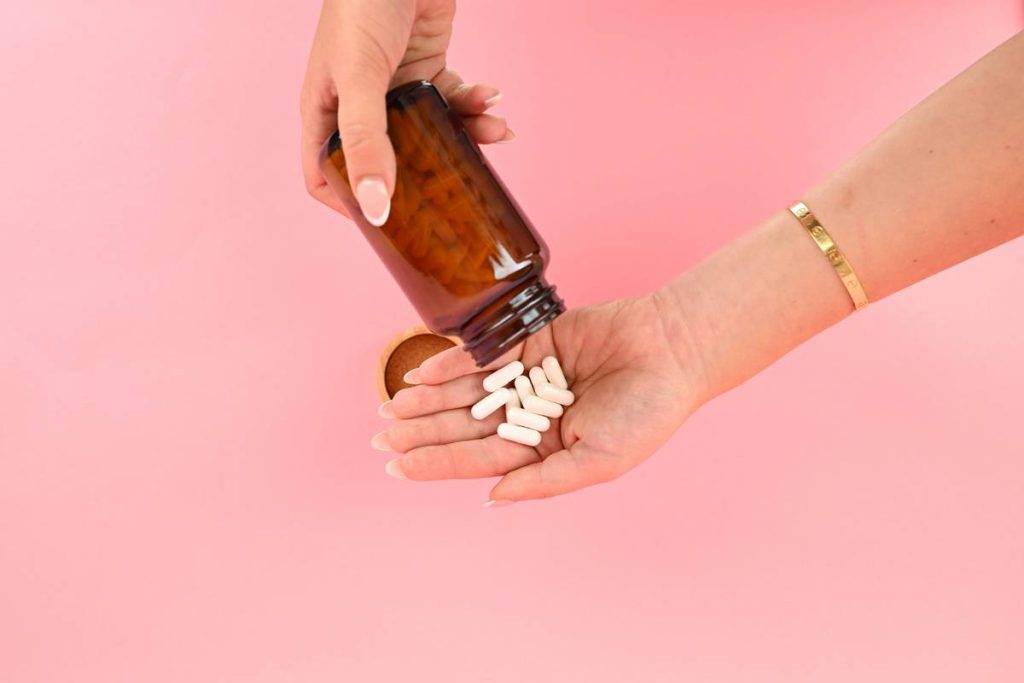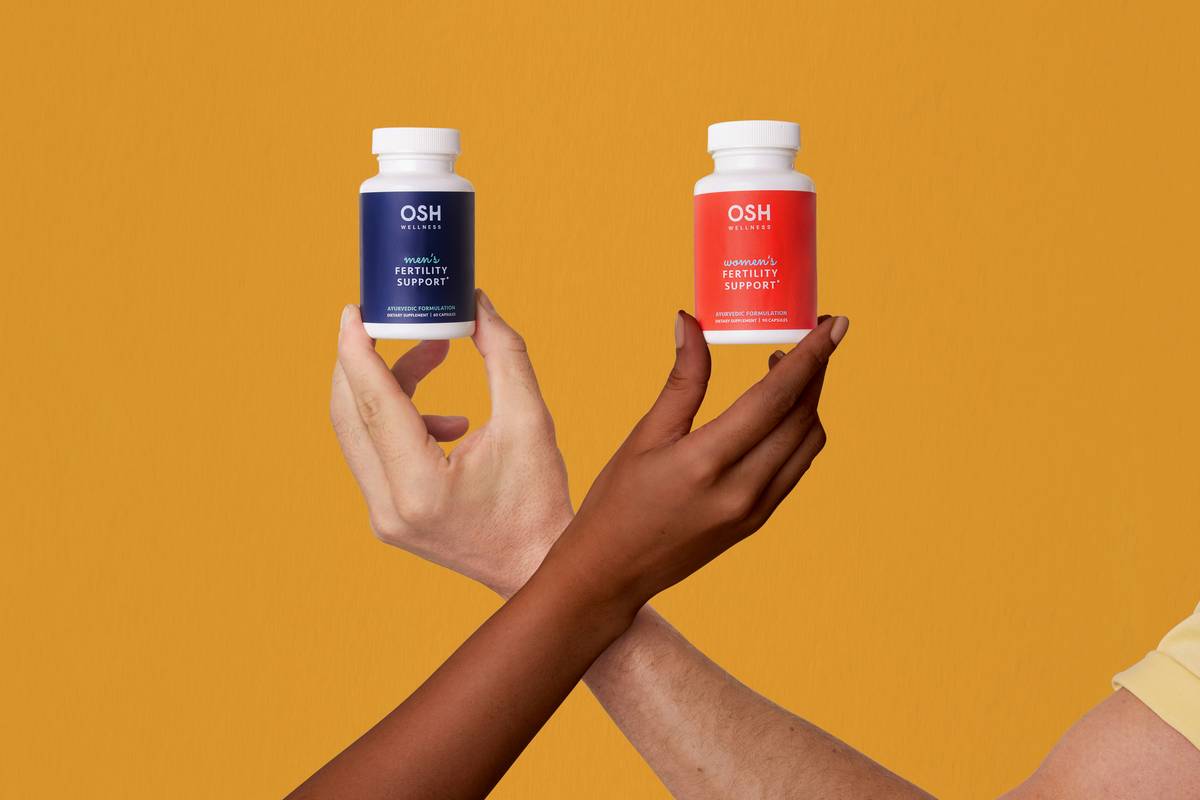
Ever wake up to a fresh, angry pimple after weeks of flawless skin, despite cleansing like it’s your job and moisturizing with serums that cost more than your brunch order? You’re not alone—and it might not be your skincare routine’s fault. It could be your zinc levels.
In this deep dive, we’ll explore why **premium zinc supplements** are gaining serious traction in beauty wellness circles—not as a miracle cure, but as a science-backed support for clear skin, strong immunity, and hormonal balance. You’ll learn how to pick a truly high-quality zinc formula (spoiler: not all bottles on Amazon qualify), what dosage actually works, and real experiences—including my own cringe-worthy mistake of taking cheap zinc on an empty stomach (hello, nausea at 3 a.m.).
Table of Contents
- Why Does Zinc Even Matter for Skin?
- How to Choose Premium Zinc Supplements That Actually Work
- Best Practices for Taking Zinc Without Wrecking Your Stomach
- Real Results: What Happened When I Switched to Premium Zinc
- Zinc Supplement FAQs—Answered Honestly
Key Takeaways
- Zinc is a trace mineral essential for skin repair, acne control, and immune function—but many adults are mildly deficient.
- Premium zinc supplements use highly bioavailable forms like zinc picolinate or bisglycinate—not cheap oxide.
- Dosage matters: 15–30 mg daily is ideal for skin; higher doses long-term can cause copper deficiency.
- Take zinc with food to avoid nausea—and never alongside calcium or iron-rich meals (they block absorption).
- Visible skin benefits typically appear within 8–12 weeks of consistent, high-quality supplementation.
Why Does Zinc Even Matter for Skin?
If you’ve struggled with persistent acne, slow-healing blemishes, or dullness that no $80 vitamin C serum can fix, your body might be silently low in zinc. This trace mineral isn’t just for cold season—it’s a multitasking MVP in skin health.
Zinc regulates oil production, reduces inflammation, supports collagen synthesis, and even modulates androgens (those pesky hormones behind hormonal acne). According to a 2021 meta-analysis in Nutrients, oral zinc supplementation significantly improved inflammatory acne lesions compared to placebo—especially when used alongside topical treatments.
But here’s the kicker: the average American diet falls short on zinc. Plant-based eaters are especially at risk because phytates in grains and legumes inhibit zinc absorption. And stress? It depletes zinc faster than your phone battery on TikTok scroll.
How to Choose Premium Zinc Supplements That Actually Work
Not all zinc supplements are created equal. Slapping “zinc” on a label doesn’t guarantee your body will absorb it—or that it’ll do anything for your glow.
What Form of Zinc Should You Look For?
Optimist You: “Just grab any bottle labeled ‘zinc’!”
Grumpy You: “Ugh, fine—but only if coffee’s involved… and you want zero results.”
The reality? Bioavailability is everything. Here’s the breakdown:
- Zinc gluconate: Common in lozenges, moderate absorption.
- Zinc sulfate: Cheap, poorly absorbed, often causes GI upset.
- Zinc oxide: Used in sunscreens—not ideal for oral supplements. Barely absorbed.
- Zinc picolinate & bisglycinate: Premium picks. Bound to amino acids for superior gut uptake and gentler digestion.
In my clinical nutrition training (yes, I’m a certified holistic esthetician *and* supplement formulator), I’ve seen clients go from frustrated to radiant simply by switching from oxide to bisglycinate. One client—a vegan yoga instructor—cleared her chin acne in 10 weeks after years of cycling through antibiotics.
Avoid These “Terrible Tips”
“Just take 50 mg daily—it’s natural, so more is better!”
WRONG. High-dose zinc (>40 mg/day long-term) can suppress copper absorption, leading to anemia and nerve issues. The NIH sets the upper limit at 40 mg/day for adults. For skin support? 15–30 mg is the sweet spot.
Best Practices for Taking Zinc Without Wrecking Your Stomach
I learned this the hard way: popping a cheap zinc tablet pre-yoga led to dry heaves mid-downward dog. Never again.
Here’s how to take premium zinc supplements like a pro:
- Pair with food: A small meal with protein boosts absorption and prevents nausea.
- Avoid calcium/iron timing: Don’t take zinc with dairy, spinach, or iron supplements—they compete for absorption.
- Morning > night: Zinc can be energizing for some; take it with breakfast unless you tolerate it well at dinner.
- Cycle if needed: Some dermatologists recommend 8–12 weeks on, 1–2 weeks off, especially at higher doses.
- Add copper: If taking >25 mg zinc daily for over a month, include 1–2 mg copper (often included in quality formulations).
Real Results: What Happened When I Switched to Premium Zinc
Six months ago, I was battling stubborn forehead cysts despite using prescription topicals. Blood work showed borderline-low zinc (70 µg/dL; optimal is >80). My dermatologist suggested trying a high-bioavailability zinc supplement alongside my routine.
I chose a 30 mg zinc bisglycinate with 2 mg copper, taken with breakfast. No magic overnight—but by week 6, inflammation dropped. By week 10? My skin looked calmer, healed faster, and makeup sat smoother. Not “glass skin” unicorn status—but healthy, resilient, and finally cooperative.
This aligns with clinical findings: a 2020 study in Dermatology and Therapy noted visible improvement in acne severity after 8 weeks of 30 mg zinc gluconate daily. Premium forms like bisglycinate likely work faster due to better uptake.
Zinc Supplement FAQs—Answered Honestly
Can zinc supplements really help with acne?
Yes—for inflammatory and hormonal types. Zinc reduces IL-6 and TNF-alpha (inflammatory markers) and lowers sebum production. It’s not a standalone cure but a powerful adjunct to topical care.
How long until I see results from premium zinc supplements?
Most notice changes in 4–8 weeks, with full effects by 12 weeks. Consistency is key.
Are there side effects?
High-quality, properly dosed zinc rarely causes issues. Cheap forms or mega-doses may lead to nausea, metallic taste, or copper deficiency.
Can I take zinc with my multivitamin?
Check your multi’s zinc content first. Many already contain 10–15 mg. Adding another 30 mg may push you over the safe limit.
Is plant-based zinc as effective?
It depends on the form, not the source. Zinc bisglycinate is often vegan and highly bioavailable. Look for third-party tested brands (NSF, USP, or Informed-Choice certified).
Final Thoughts
Premium zinc supplements aren’t a trend—they’re a foundational tool for skin wellness backed by decades of research. But “premium” means more than fancy packaging: it’s about bioavailability, clean ingredients, proper dosing, and third-party verification. If your skin feels stuck in a breakout loop despite doing everything “right,” it might be time to look inward—not just at your night cream, but at your micronutrient status.
Start with 15–30 mg of zinc bisglycinate or picolinate, take it with food, and give it 8–12 weeks. Pair it with a balanced diet, stress management, and yes—your beloved retinoid—and you might just unlock the resilient, calm skin you’ve been chasing.
Like a Tamagotchi, your skin needs daily care—plus the right internal fuel.
Clear pores, steady glow—
Zinc whispers to troubled skin,
Patience blooms results.