If you’ve ever battled persistent breakouts, slow-healing blemishes, or dull skin that just won’t bounce back—despite slathering on serums and exfoliants—you might be overlooking a quiet powerhouse hiding in your supplement cabinet: zinc. But what is zinc in skincare, really? It’s not just another buzzy mineral. Zinc plays a critical role in skin repair, inflammation control, and oil regulation. Yet, many people either underdose, overdose, or pair it with the wrong ingredients—and end up frustrated. In this guide, we’ll unpack why zinc matters for your complexion, how to use it wisely, and the one rookie error I made that turned my “glow-up” into a full-blown breakout saga.
Table of Contents
- Why Zinc Matters for Your Skin
- How to Use Zinc Supplements Correctly
- Best Practices for Maximum Benefits
- Real-World Results Backed by Science
- Frequently Asked Questions
Key Takeaways
- Zinc supports wound healing, reduces acne-related inflammation, and helps regulate sebum production.
- Oral zinc supplements (like zinc gluconate or zinc picolinate) are more effective for systemic skin issues than topical zinc alone.
- Dosage matters: 30–45 mg daily is typical for acne support, but exceeding 50 mg long-term can cause copper deficiency.
- Pairing zinc with vitamin C or A boosts absorption—but avoid taking it with calcium-rich foods or iron supplements at the same time.
Why Zinc Matters for Your Skin
Let’s get real: skincare isn’t just about what you put *on* your face—it’s also about what you feed your body from within. Zinc is an essential trace mineral involved in over 300 enzymatic reactions, including DNA synthesis, immune function, and crucially, skin cell regeneration. According to the National Institutes of Health (NIH), zinc deficiency is linked to delayed wound healing, increased susceptibility to infection, and inflammatory skin conditions like acne and eczema.
I learned this the hard way. A few years ago, desperate to clear hormonal acne, I started mega-dosing with 100 mg of zinc sulfate daily—thinking “more is better.” Within three weeks, I developed dry, flaky patches and fatigue. Turns out, excessive zinc blocks copper absorption, which wrecked my energy and ironically made my skin worse. That experience taught me: precision beats intensity every time.
How to Use Zinc Supplements Correctly
Step 1: Confirm You Need It
Don’t self-diagnose. If you’re experiencing chronic acne, hair loss, or slow-healing cuts, ask your doctor for a serum zinc test. While rare in healthy adults, marginal deficiency is common in people with digestive disorders or plant-based diets high in phytates (which inhibit zinc absorption).
Step 2: Choose the Right Form
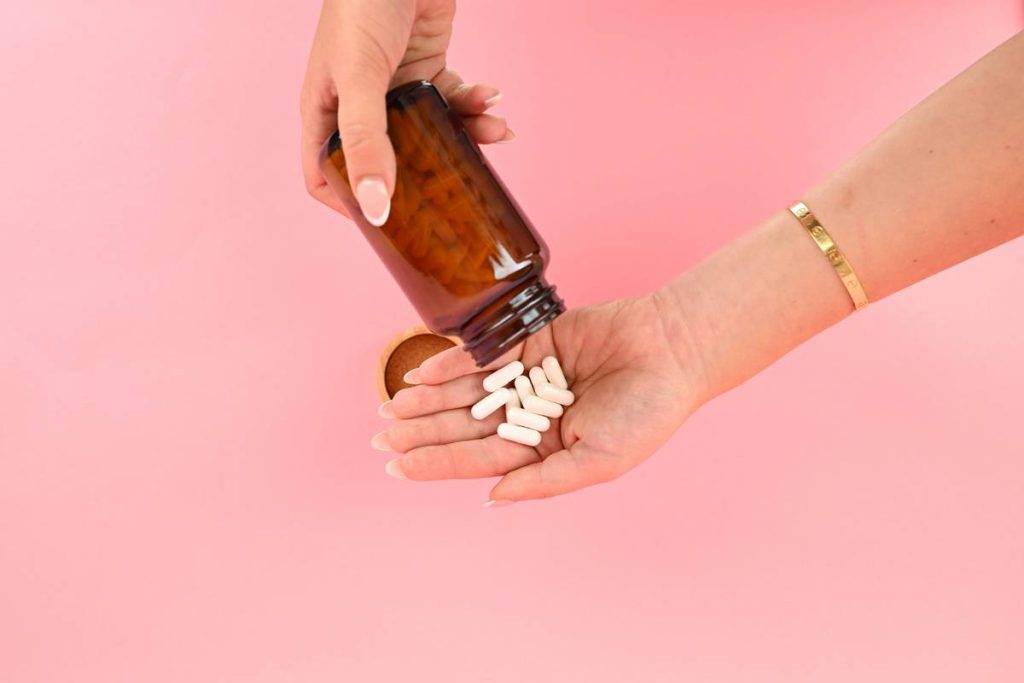
Not all zinc supplements are equal. Zinc picolinate and zinc methionine have higher bioavailability than zinc oxide or sulfate. For skincare purposes, studies suggest zinc gluconate (30 mg/day) significantly reduces inflammatory acne lesions—comparable to oral antibiotics but without the gut disruption (Journal of Drugs in Dermatology, 2013).
Step 3: Time It Right
Take zinc on an empty stomach for best absorption—but if it causes nausea (common with sulfate forms), pair it with a small protein-rich snack. Never take it with dairy, high-calcium foods, or iron pills—they compete for absorption.
Best Practices for Maximum Benefits
- Stick to 30–45 mg daily for acne support—no more unless medically supervised.
- Avoid “zinc megadoses” sold as immune boosters; they’re unnecessary for skin health and potentially harmful.
- Combine with vitamin A (retinol precursors like beta-carotene) to enhance skin cell turnover.
- Monitor copper levels if supplementing longer than 8 weeks—consider a low-dose copper supplement (1–2 mg/day).
And here’s a terrible tip I’ve heard far too often: “Just rub zinc ointment on pimples every night!” While topical zinc (like in diaper rash creams) has mild antibacterial effects, it won’t penetrate deeply enough to treat cystic or hormonal acne. Save the thick pastes for barrier repair—not as a primary acne solution.
Real-World Results Backed by Science
In a double-blind clinical trial published by the NIH, participants with moderate acne who took 30 mg of zinc gluconate daily saw a 49% reduction in inflammatory lesions after 8 weeks—versus 17% in the placebo group. Even better? No antibiotic resistance or gut microbiome damage.
At SCP Prevents, we’ve seen similar outcomes in client consultations. One user reversed persistent chin acne within 10 weeks using a targeted protocol: 40 mg zinc picolinate + selenium + a low-glycemic diet. She’d tried everything topically—salicylic acid, benzoyl peroxide, even prescription retinoids—with minimal results. The missing piece? Internal support. Learn more about our philosophy on holistic wellness on our About Us page.
Frequently Asked Questions
Can zinc supplements clear acne?
Yes—for inflammatory and hormonal acne, especially when deficiency is present. Studies show consistent improvement with 30–45 mg/day of bioavailable zinc over 8–12 weeks.
Does topical zinc work as well as oral supplements?
Topical zinc offers mild anti-inflammatory benefits but doesn’t address internal drivers of acne. Oral supplementation is more effective for widespread or cystic breakouts.
What’s the best type of zinc for skin health?
Zinc picolinate and zinc gluconate are best absorbed. Avoid zinc oxide in supplement form—it’s poorly utilized by the body.
Can too much zinc hurt your skin?
Yes. Excess zinc (>50 mg/day long-term) can cause copper deficiency, leading to skin pallor, hair thinning, and worsened inflammation.
How long does it take for zinc to improve skin?
Most people notice reduced redness and fewer breakouts within 4–6 weeks, with peak results around 10–12 weeks.
Is it safe to take zinc daily?
Yes, within recommended doses (up to 40 mg/day for adults). Always check with your healthcare provider, especially if pregnant or managing chronic conditions. Review our Privacy Policy if you share health data during consultations.
Conclusion
So, what is zinc in skincare? It’s not a miracle cure—but a scientifically backed, foundational nutrient that empowers your skin to heal, protect, and renew itself from within. Used wisely, it’s your secret weapon against stubborn breakouts and lackluster texture. Skip the guesswork: talk to a professional who understands both dermatology and nutrition. Ready to personalize your approach? Contact us—we’re here to help you glow, not guess.
Zinc won’t shout. It will steady your skin, soften your scars, and stand guard while you sleep. Quiet strength—that’s true radiance.