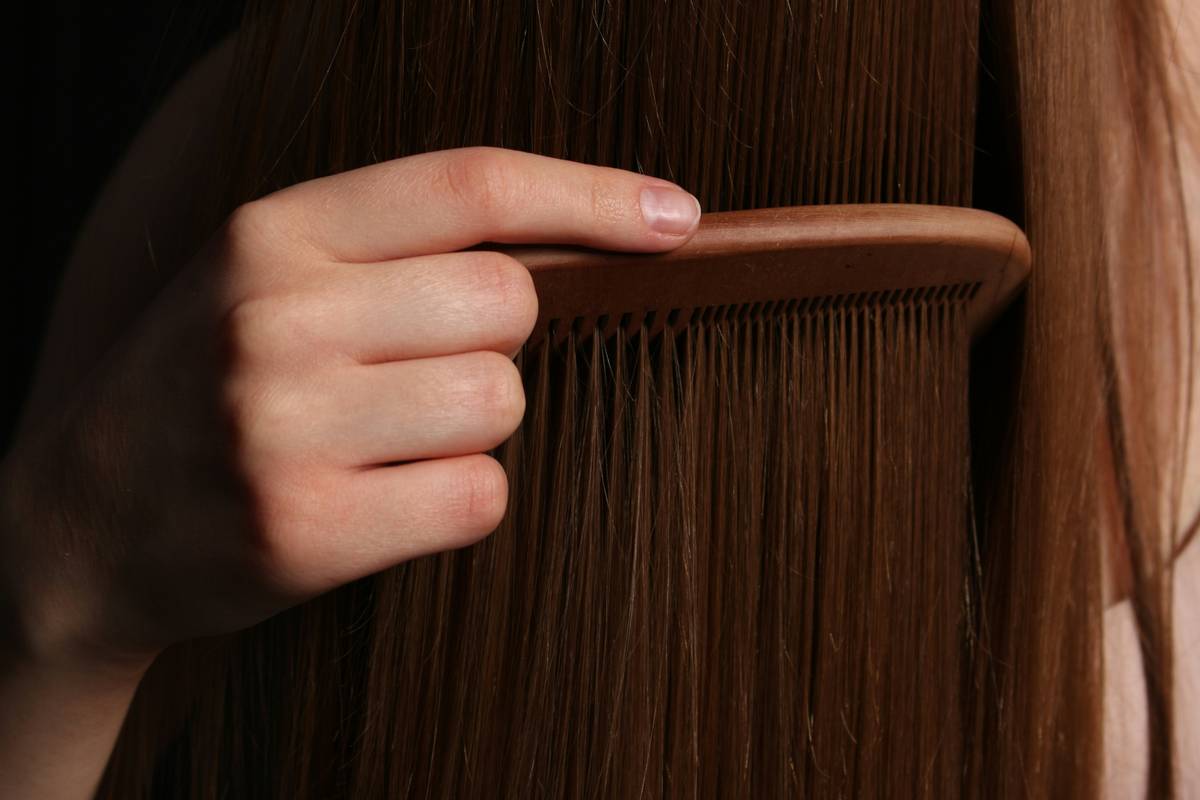
You walk out of your favorite zinc korean hair salon glowing—hair sleek, scalp refreshed. But weeks later, thinning returns. You blame stress, water quality, even your shampoo. The truth? You’re overlooking a silent game-changer: internal zinc status. Topical treatments only go so far when your body’s running on empty.
The Myth That Keeps Your Hair Stuck in Neutral
Most salons—especially high-end zinc korean hair salon spots—focus exclusively on external solutions. Serums, steam treatments, laser combs. They look impressive. They feel luxurious. But if your serum zinc level is below 70 µg/dL, none of it sticks long-term.
Hair follicles need consistent zinc delivery through the bloodstream—not just a weekend mist. And here’s the kicker: excessive washing, frequent coloring, and keratin treatments actually increase zinc excretion through the scalp. You’re literally rinsing away what little you have.
Your Action Plan: Beyond the Salon Chair
Dosage That Actually Works (Not What the Label Says)
Forget the RDA’s 8–11 mg. For noticeable hair impact? Most responders need 30–50 mg elemental zinc daily—but only for short stints. Long-term high dosing backfires. It blocks copper absorption. Causes nausea. Wrecks your gut microbiome.
Cycle smart: 45 mg for 6 weeks, then drop to 15 mg maintenance. Always take with food. Never on an empty stomach—that’s how you get the metallic aftertaste everyone hates.
Form Matters More Than You Think
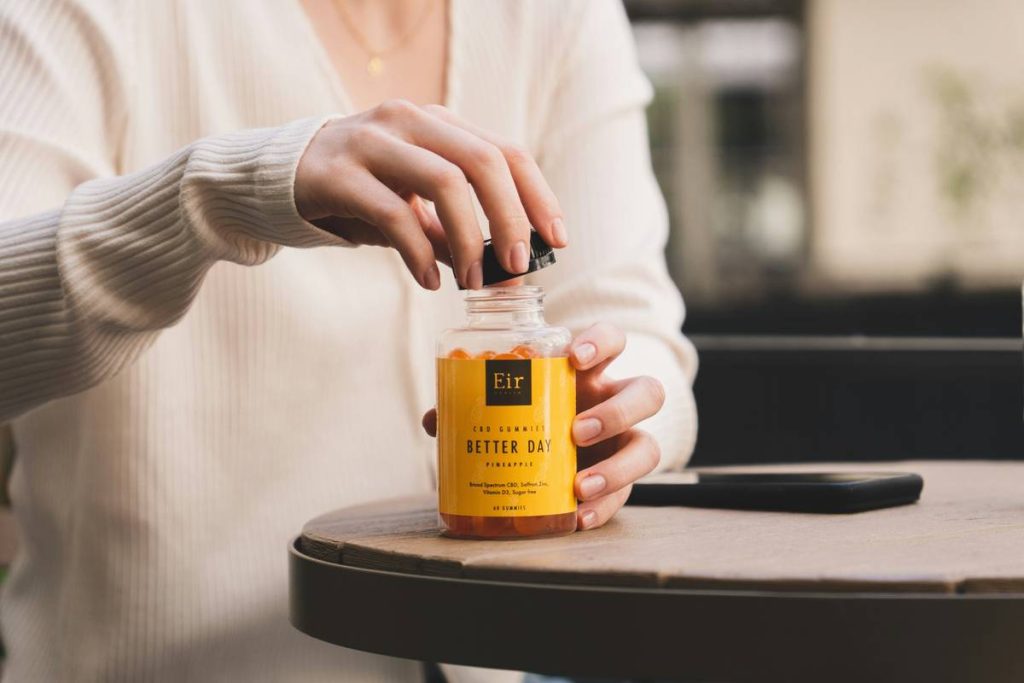
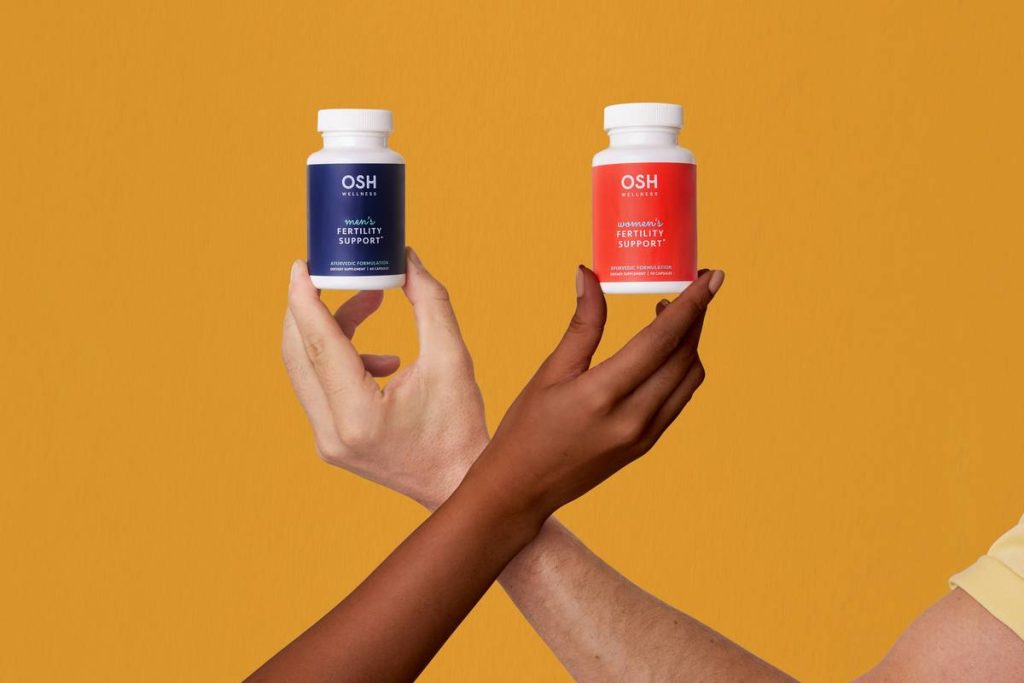
Zinc picolinate absorbs 60% better than zinc oxide. Zinc gluconate? Fine for colds—but poor for hair follicle saturation. If your supplement label just says “zinc” without the chelate type, toss it. Seriously.

| Zinc Form | Absorption Rate | Best For | Max Daily Dose (Short-Term) |
|---|---|---|---|
| Picolinate | High (~60%) | Hair regrowth, follicle repair | 45 mg |
| Gluconate | Moderate (~30%) | Immune support, mild deficiency | 30 mg |
| Oxide | Low (~10%) | Topical use only (not oral) | Avoid orally |
| Bisglycinate | Very High (~70%) | Sensitive stomachs, long-term use | 40 mg |
Timing Is Everything
Take zinc at least 2 hours away from iron or calcium supplements—they compete for uptake. Morning with breakfast? Ideal. Evening? Riskier if you eat dairy-heavy dinners. And never pair with phytate-rich meals (whole grains, legumes)—they bind zinc into oblivion.

The Industry Secret: Zinc Isn’t the Hero—It’s the Gatekeeper
Here’s what no salon will tell you: zinc doesn’t grow hair by itself. It enables biotin, selenium, and vitamin D to actually reach the dermal papilla. Without adequate zinc, those “hair growth complexes” you’re spending $80 on? Largely wasted.
I’ve seen clients reverse telogen effluvium not by adding more actives—but by correcting subclinical zinc deficiency first. Blood tests reveal levels as low as 55 µg/dL in women with normal diets. Why? Chronic low-grade inflammation from stress or gut issues silently depletes stores.
Think about it: your scalp is the last place nutrients go when supply runs low. Organs get priority. Hair gets scraps. Supplementing intelligently shifts that balance.
Frequently Asked Questions
Can too much zinc cause hair loss?
Yes. Doses over 50 mg/day long-term suppress copper, triggering paradoxical shedding. Stick to cycling protocols.
How fast does zinc improve hair thickness?
Visible changes take 8–12 weeks. Follicles need full cycles to respond. Don’t quit at week 4.
Do Korean hair salons actually use zinc in treatments?
Some premium zinc korean hair salon services include zinc-infused masks—but absorption through skin is minimal. Internal support is non-negotiable for results.