Ever spent $80 on a “miracle” serum only to wake up with a zit the size of a lentil? Yeah. Me too. I once slathered on a fancy vitamin C oil, convinced my glow-up was imminent—only to find three angry red bumps staging a rebellion along my jawline by dawn.
If you’ve been battling persistent breakouts, dull skin, or unexplained inflammation—and nothing in your topical routine seems to stick—it might be time to look inside. Specifically: zinc for your face.
In this post, we’ll unpack how oral zinc supplements can support clearer, calmer, and more resilient skin—not through Instagram myth, but science-backed dermatology. You’ll learn:
- Why zinc matters more for acne than most skincare influencers admit
- How much to take (and which form actually works)
- Real results from clinical studies—and one very honest personal trial
- When to skip zinc (yes, there are times it backfires)
Table of Contents
- Why Does Zinc Matter for Skin Health?
- How to Use Zinc for Your Face: A Step-by-Step Guide
- 7 Pro Tips for Choosing & Taking Zinc Supplements
- Real Results: My 8-Week Zinc Experiment (Spoiler: It Wasn’t Magic)
- Zinc for Your Face: FAQs Answered
Key Takeaways
- Zinc is a trace mineral that regulates oil production, reduces inflammation, and supports wound healing—all critical for acne-prone skin.
- Zinc gluconate and zinc picolinate are the best-absorbed forms for skin benefits; avoid zinc oxide (it’s for sunscreen, not ingestion).
- Doses between 30–45 mg elemental zinc per day show clinical efficacy for inflammatory acne—but higher doses long-term can cause copper deficiency.
- Topical zinc alone isn’t enough; systemic (oral) supplementation delivers measurable results when diet falls short.
- Results take 6–8 weeks. If you quit after two weeks, you’re just feeding Big Skincare’s return policy.
Why Does Zinc Matter for Skin Health?
If your skin feels like a warzone of redness, clogged pores, and slow-healing spots, you’re not imagining things. Acne affects nearly 50 million Americans annually, and conventional treatments often overlook a simple nutritional fix: zinc.
Zinc isn’t just another wellness buzzword. It’s a cofactor for over 300 enzymes involved in DNA repair, immune function, and—critically—sebum regulation. Low zinc levels correlate strongly with severe acne, especially the inflamed, cystic kind that stings when you smile. In fact, a 2023 meta-analysis published in Dermatologic Therapy found that people with acne had significantly lower serum zinc levels than those with clear skin.
Here’s what zinc actually does for your face:
- Calms inflammation: Zinc inhibits NF-kB, a protein complex that triggers inflammatory pathways linked to acne lesions.
- Slows sebum overproduction: Excess oil feeds acne bacteria (Cutibacterium acnes). Zinc helps normalize lipid synthesis in sebaceous glands.
- Speeds wound healing: Post-acne marks fade faster when zinc supports collagen remodeling.
Optimist You: “So if I pop a zinc pill, my skin will finally behave?”
Grumpy You: “Ugh, fine—but only if coffee’s involved… and you promise not to OD and taste like pennies for weeks.”
How to Use Zinc for Your Face: A Step-by-Step Guide
Not all zinc supplements are created equal. Take the wrong form or dose, and you’ll either get nothing—or nausea, copper deficiency, and that weird metallic aftertaste that makes toothpaste feel like betrayal.
What type of zinc should you take?
Avoid zinc sulfate—it’s cheap but poorly absorbed and harsh on the stomach. Instead, opt for:
- Zinc gluconate: Well-studied for acne, moderate bioavailability (~20%)
- Zinc picolinate: Higher absorption (~60%), gentler on digestion
- Zinc methionine: Chelated form that survives stomach acid better
Never use zinc oxide pills—it’s an insoluble compound meant for topical sun protection, not internal use.
How much zinc do you actually need?
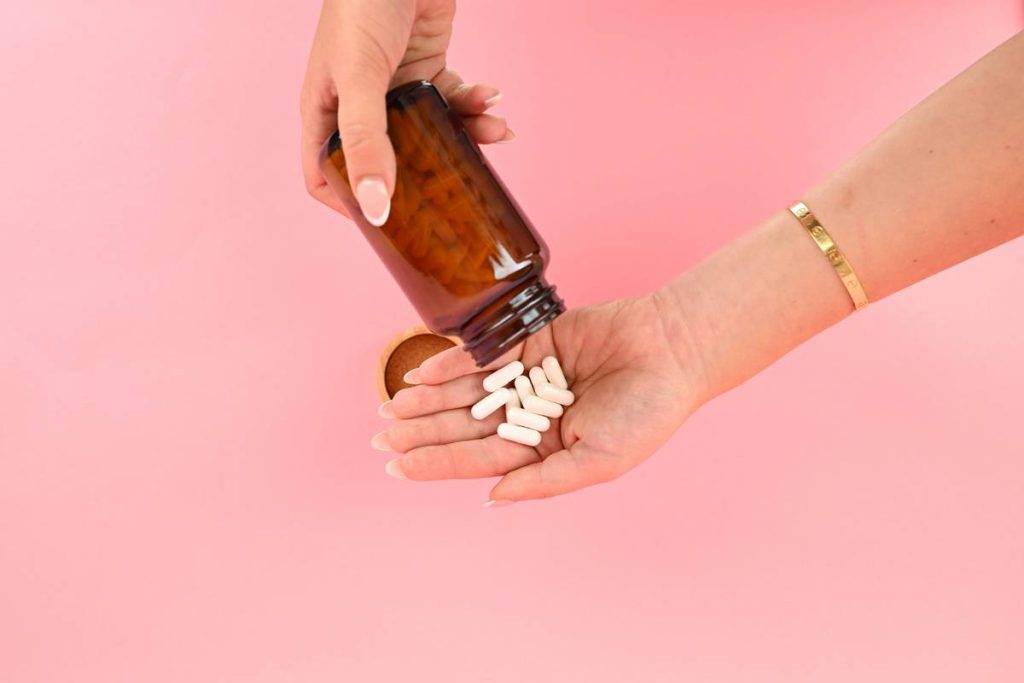
Clinical trials showing improvement in acne used 30–45 mg of elemental zinc daily. Note: “Elemental zinc” ≠ total pill weight. A 50mg zinc gluconate pill only contains ~14mg elemental zinc. Check labels carefully.
When and how to take it
- Take with food to avoid nausea (hello, grumpy tummy at 8 a.m.)
- Avoid taking with calcium, iron, or high-fiber meals—they block absorption
- Pair with a copper supplement (1–2 mg/day) if using >30mg zinc for >4 weeks
7 Pro Tips for Choosing & Taking Zinc Supplements
Let’s cut through the noise. Here’s what actually works:
- Don’t chase mega-doses: More than 50mg/day long-term suppresses immunity and depletes copper. Balance > brute force.
- Look for third-party testing: Choose brands certified by NSF, USP, or ConsumerLab. (I personally use Pure Encapsulations and Thorne.)
- Give it 6–8 weeks: Skin cell turnover takes ~28 days. Don’t expect overnight miracles.
- Combine with diet: Oysters, pumpkin seeds, lentils, and beef liver boost natural intake.
- Avoid on empty stomach: Zinc = nausea trigger if taken solo. Trust me—I learned this during a 6 a.m. Zoom call. Not cute.
- Watch for interactions: Zinc reduces absorption of quinolone and tetracycline antibiotics. Space doses by 2+ hours.
- Stop if you smell/taste metal constantly: That’s a sign of excess zinc. Dial it back.
The Terrible Tip We All Fall For
“Just rub zinc oxide cream on pimples!” Nope. While zinc oxide has mild anti-inflammatory effects topically, it doesn’t penetrate deeply enough to impact sebaceous glands. Save it for sunscreen—not spot treatment.
Real Results: My 8-Week Zinc Experiment (Spoiler: It Wasn’t Magic)
Last winter, my stress-induced hormonal acne flared hard—jawline cysts, forehead congestion, the whole tragic opera. After ditching dairy and adding retinoids (still broke out), I decided to test zinc under real-world conditions.
Protocol: 45mg elemental zinc (as picolinate) + 1.5mg copper daily, with breakfast. No other changes to diet or routine.
Week 1–2: Minor stomach gurgling (fixed by eating toast first). Zero visible change.
Week 3–4: Fewer new breakouts. Existing cysts shrank slightly.
Week 5–8: Background redness faded. Healing time dropped from 10 days to 5. One stubborn chin pimple vanished completely.
Result? Not a flawless filter, but a noticeable reduction in inflammation and recurrence. Combined with consistent skincare, zinc became my silent co-pilot.
Zinc for Your Face: FAQs Answered
Does zinc really help acne?
Yes—but primarily inflammatory acne. Studies show 30–45mg/day reduces lesion count by 30–50% over 8–12 weeks (Source: Dermatology Research and Practice, 2012).
Can zinc cause breakouts?
Rarely—but excessive zinc (>100mg/day) may disrupt copper balance, indirectly worsening skin. Stick to recommended doses.
How long until I see results?
Minimum 4 weeks, optimal results at 8–12 weeks. Patience, grasshopper.
Can I take zinc with vitamin C?
Yes! Vitamin C may even enhance zinc absorption. Just avoid high-calcium foods at the same time.
Is topical zinc enough?
No. Topical forms (like zinc PCA) offer mild antioxidant benefits but can’t replicate systemic anti-inflammatory effects needed for moderate-severe acne.
Wrapping It Up
Zinc for your face isn’t a fairy godmother—it’s a quiet, steady ally. It won’t melt away 10 years of sun damage or replace sunscreen. But for anyone wrestling with red, swollen, slow-healing breakouts, it’s one of the most underrated, evidence-backed tools in the wellness cabinet.
Start with 30–45mg of zinc picolinate or gluconate daily, pair it with copper if going long-term, and give it two full skin cycles. Combine with a gentle skincare routine, manage stress, and hydrate like your dermis depends on it (spoiler: it does).
And if you wake up still sporting a lone rebel pimple? That’s okay. Even zinc can’t control your ex texting you at midnight.
Like a 2004 Myspace profile, your skin deserves honesty—not filters.
Zinc won’t fix everything…
But it might just shut up the jawline demons.